Auto Repair Shop Books Cleanup Keep the two lines apart
Some tickets already say labor and parts. The damage happens when the books glue them back together.
The ticket was ahead of the books
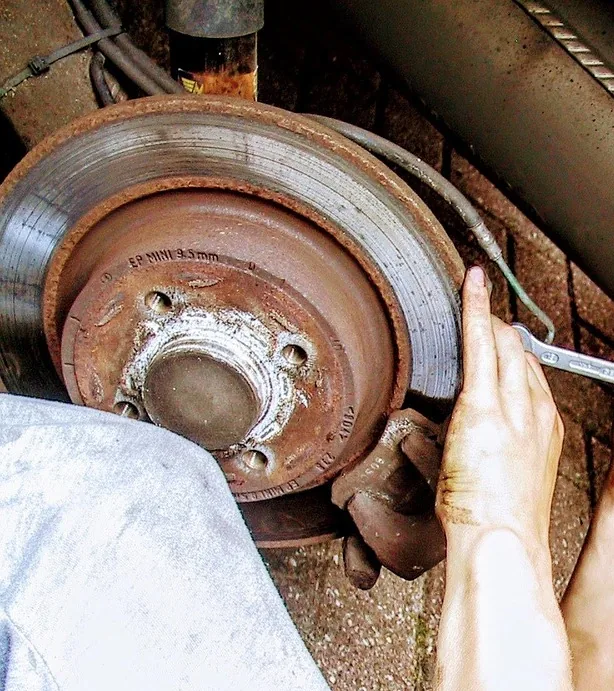
A brake job often leaves the counter in good shape. Labor is one line. The rotor and the pads are another. Then a daily summary posts a single sales number, and the split the advisor wrote down disappears. The customer still saw two lines. The month sees one. Margin by labor and margin by parts both become unknowable.
We map the two lines to two income accounts and we let the vendor bill follow the parts line into cost. The shop's price for the rotor is not the cost of the rotor. Price is what the customer paid. Cost is what the supplier charged. Mixing those words is how a busy month reports a parts profit that is really just the markup you forgot to separate from the time.
Do not rebuild the price book
Nothing on this page asks the shop to reprint the price book. The book can keep a packaged price for the customer. The books, the plural ones, have to be able to expand that package when the ticket already did. If the advisor wrote two lines, the deposit batch and the sales summary should be able to carry two lines. If they cannot, the fix is in the way the day is summarized, not in a speech about the price board.
A job that was truly one line belongs on the page about a single price. This page is for the job that was already honest at the counter and then got flattened. Flattening is a bookkeeping choice. It can be undone without touching the car.
What we want to see
Bring the ticket that shows both lines and the day-end summary that shows one. The gap between those two pieces of paper is the whole assignment. We close the month only after that gap has a home, either as two accounts or as a named item that is still open. Leaving the gap named, and still open, is acceptable. A silent merge is not.
Send both lines
 You will be talking to the Steven Palmieri practice.